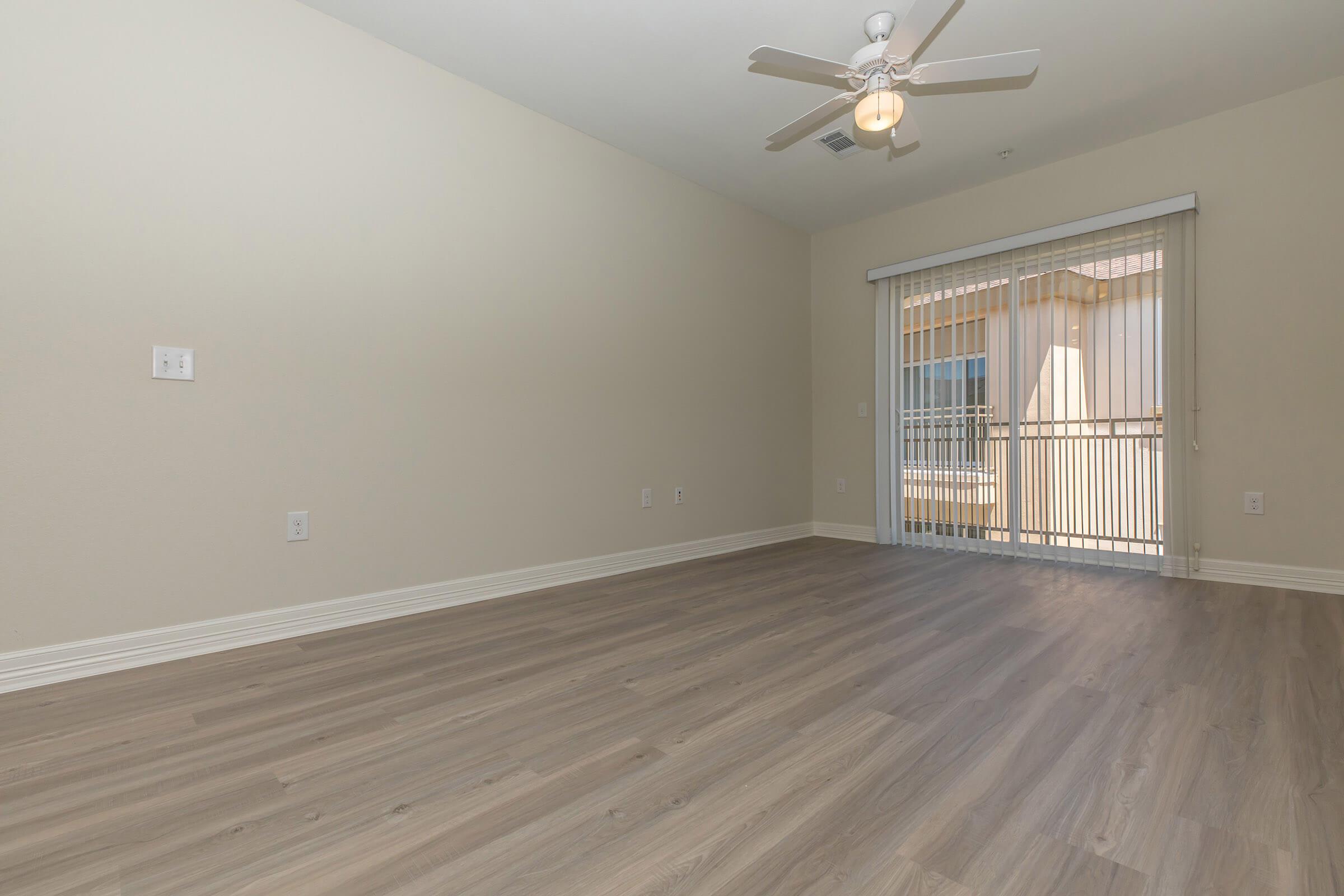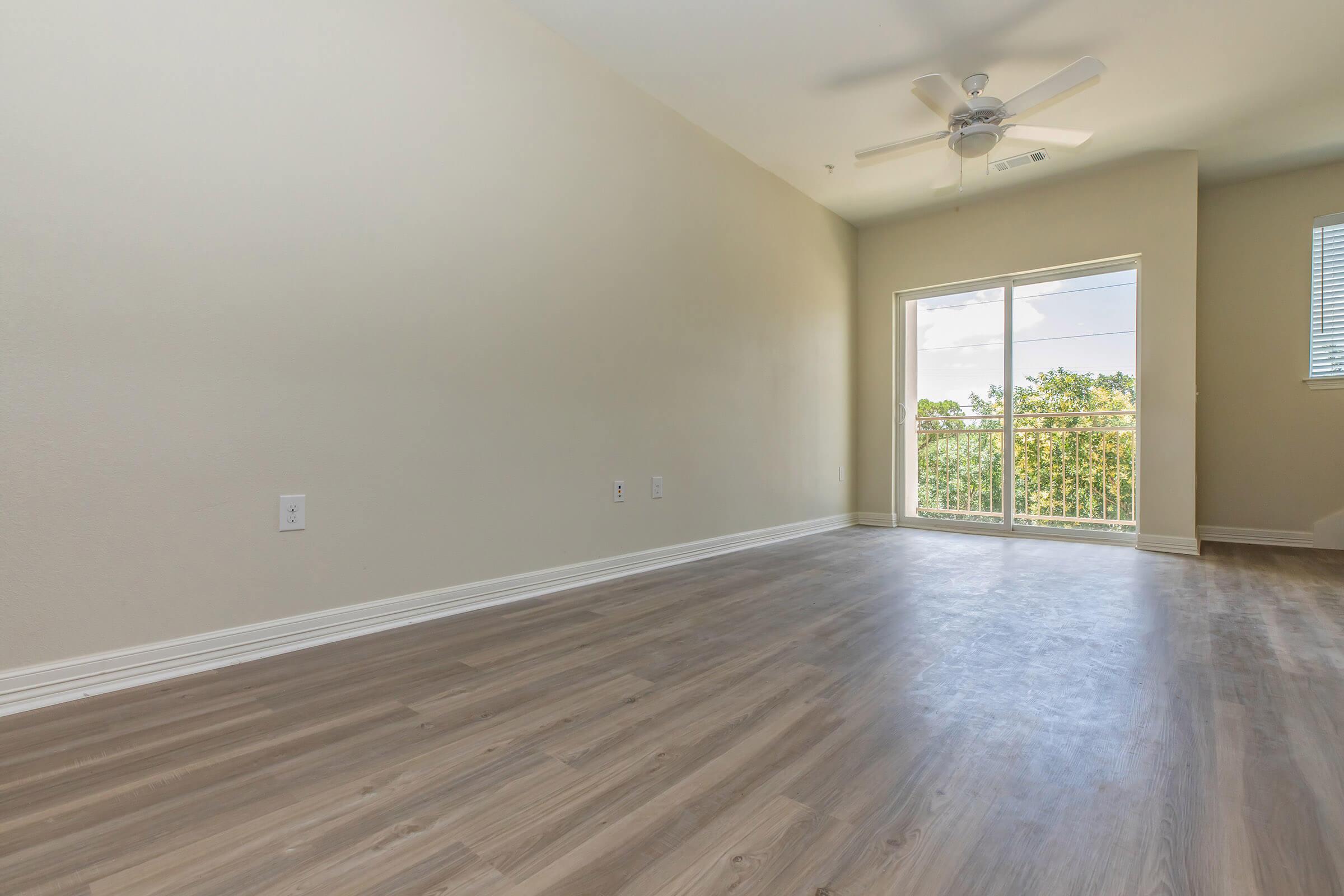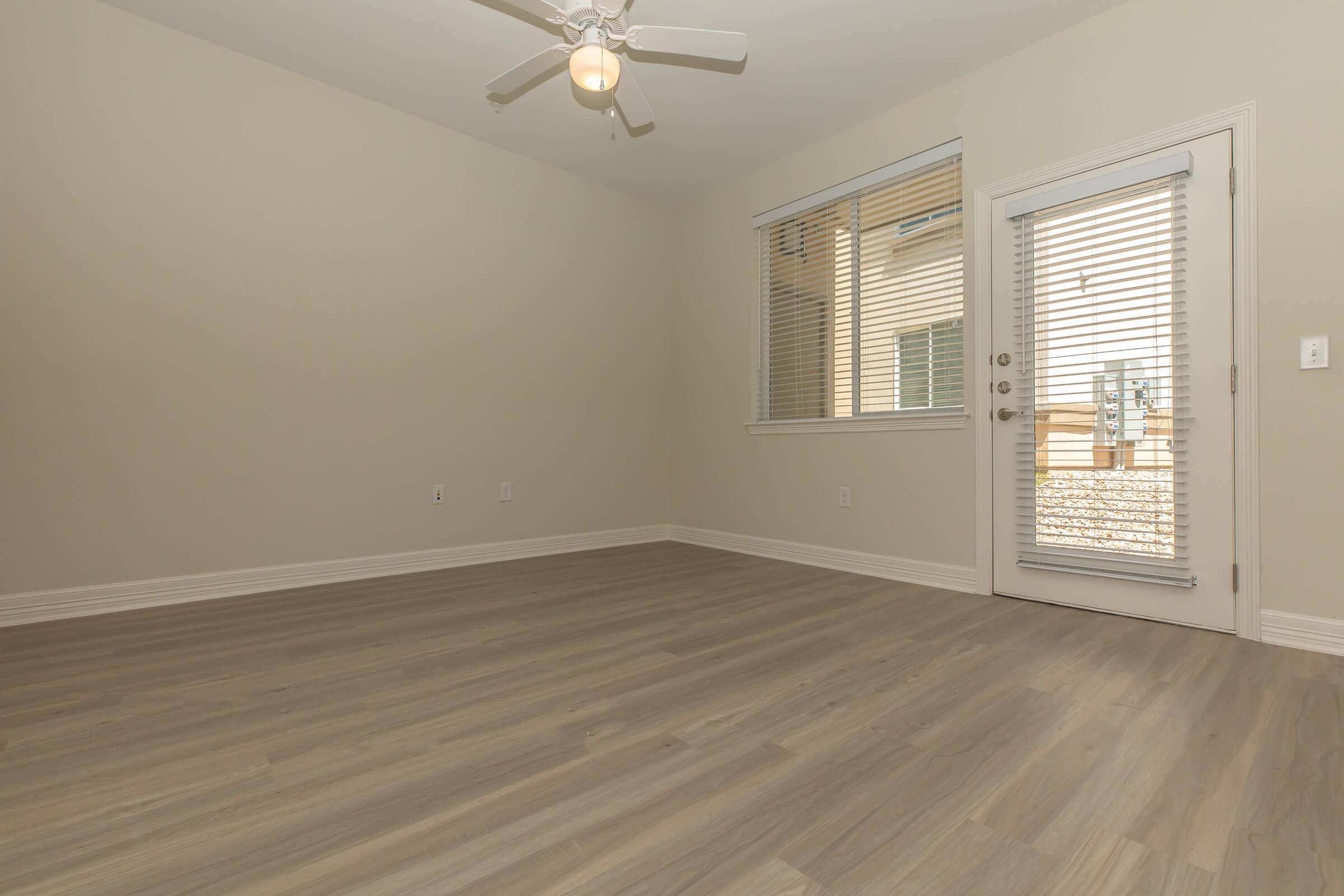
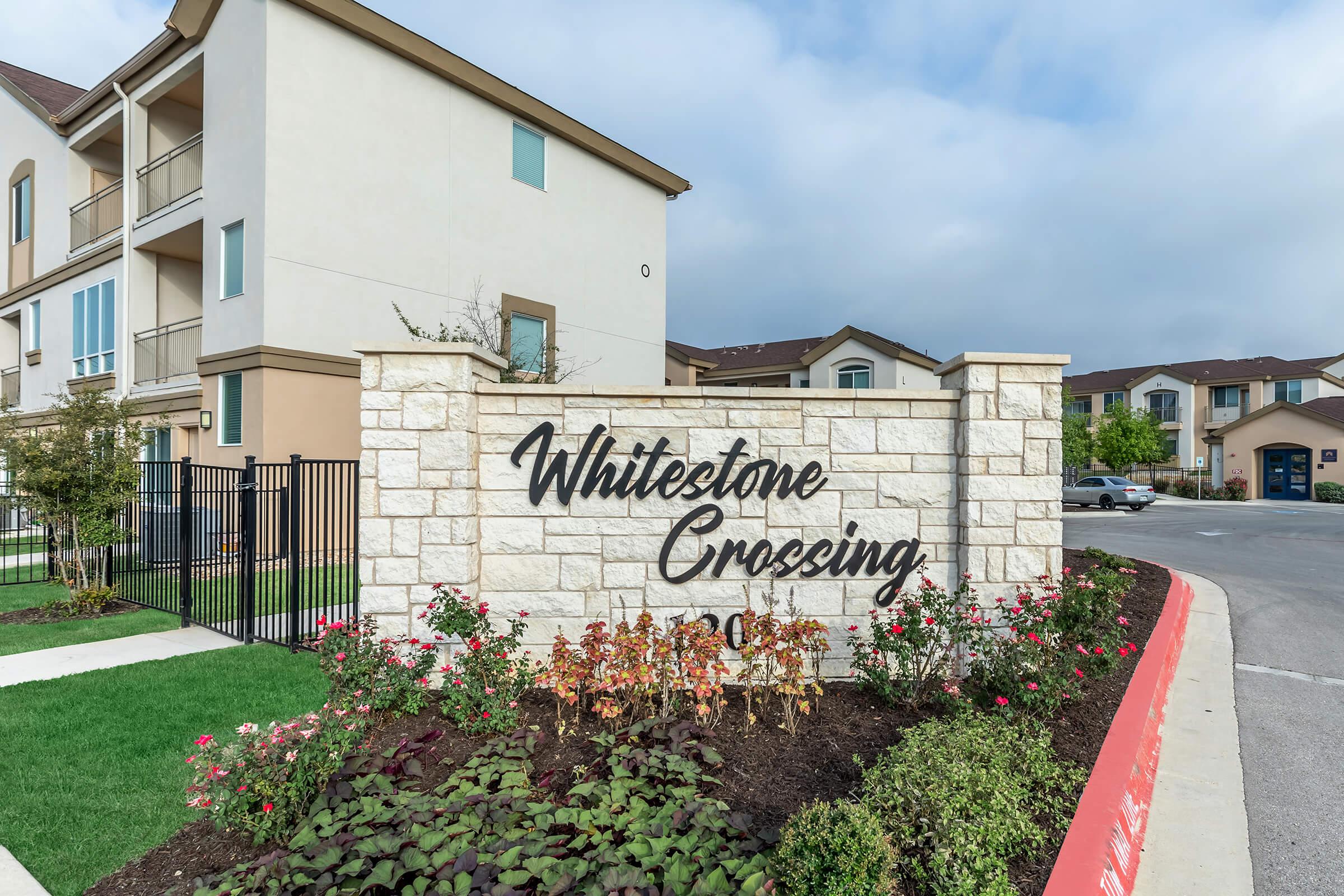
Biophilic design is no longer a trend — it is the foundation of every residence we shape at Whitestone Crossing. The principle is simple: people thrive when architecture is in dialogue with the living world.
From the orientation of a window to the choice of a single stone, each decision is measured against how it connects the resident to sky, earth, water, and light.
Light as the first material
We begin every project by mapping the sun. The angle of light at 7 a.m. in February looks nothing like a golden October afternoon — our plans anticipate both.
Full-height glass is paired with deep eaves and operable shading, so residents enjoy luminous interiors without the glare or thermal cost of lesser construction.
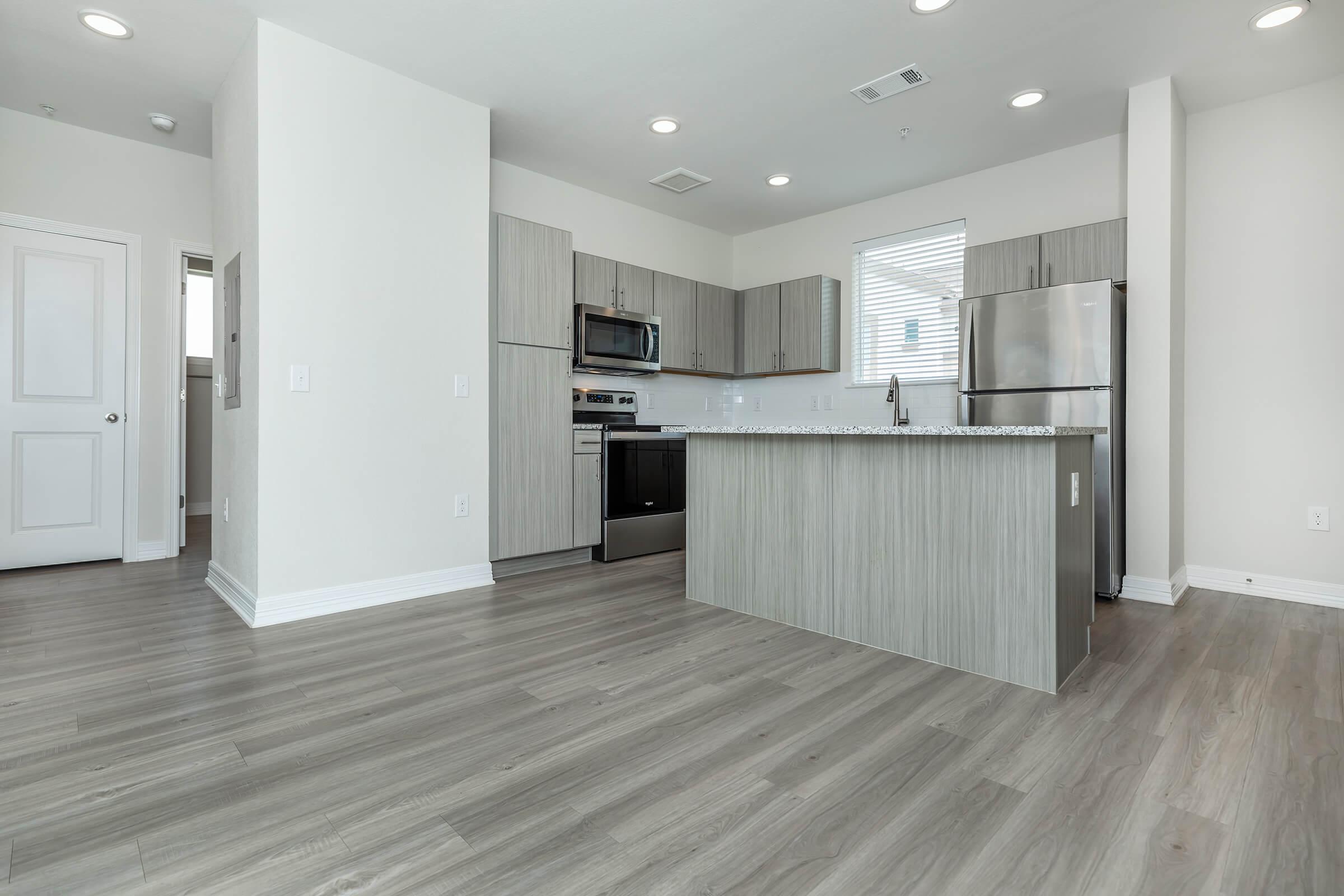
Material honesty
The materials at Whitestone Crossing are chosen for texture, patina, and provenance. Local limestone, rift-sawn oak, sand-finished concrete, and blackened steel anchor each home in the Texas hill country.
These materials are never decorative; they are the architecture itself. They age gracefully and tell a quieter, more permanent story than any finish could.
Nature at the threshold
Every residence opens onto a private courtyard, a shaded patio, or a framed grove. The boundary between indoors and outdoors is deliberately blurred — a screen porch, a pivoting glass wall, a cedar trellis heavy with wisteria.
It is in these liminal spaces where life actually happens: morning coffee under the oaks, supper lingered over until the fireflies arrive.